
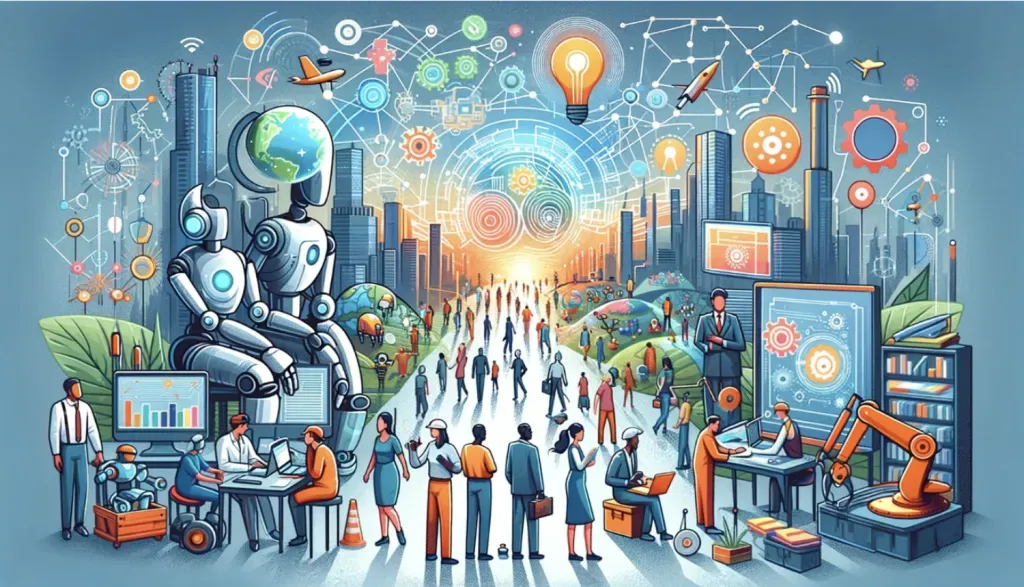
The Future of Work is being rewritten by technology, reshaping how teams operate and connect in a rapidly changing business landscape, where speed, resilience, and adaptability determine success. From global talent pools to distributed teams, remote collaboration has become a strategic cornerstone, enabling people to contribute from anywhere while maintaining alignment with shared goals. Modern work hinges on digital collaboration tools that synchronize documents, chats, and schedules across time zones, reducing friction and enabling real-time decision-making at scale. Organizations are experimenting with hybrid work models to balance in-person collaboration with flexible remote access, while redefining performance metrics to focus on outcomes rather than hours. As leaders respond to future of work trends, they prioritize governance, security, and inclusive practices that sustain momentum across locations and capabilities.
Beyond the branding of the future of work, this shift is about reimagining how people collaborate across borders and time zones. The evolving work landscape emphasizes remote teamwork, cloud-enabled workflows, and software-enabled coordination that scales with demand. Companies are embracing a digital workplace culture that values transparency, cross-functional collaboration, and continuous learning. By focusing on flexible arrangements, automated processes, and strong governance, leaders can cultivate clarity, trust, and inclusion in a dispersed workforce.
Future of Work: How Remote Collaboration Reshapes Team Dynamics
Remote collaboration lies at the core of the Future of Work, fueled by cloud-based tools, persistent workspaces, and streamlined decision-making processes. As teams become distributed across geographies, the ability to collaborate asynchronously while maintaining clarity becomes a strategic asset. Digital collaboration tools enable real-time co-creation and knowledge sharing that transcends time zones, supporting distributed teams and global initiatives.
This shift isn’t only about technology; it’s about culture, governance, and measurable outcomes. As organizations embrace distributed teams and hybrid work models, leaders must select digital collaboration tools that integrate with workflows, support asynchronous work, and protect data across borders. Understanding future of work trends helps teams anticipate needs, invest in scalable infrastructure, and design processes that sustain productivity.
Hybrid Work Models and the Digital Tools Stack
Hybrid work models demand a cohesive digital collaboration tools stack that bridges office and remote environments. Cloud productivity suites, video conferencing, secure file sharing, and project management apps create a single source of truth for work in motion. When designed with interoperability in mind, these tools reduce friction for distributed teams and support seamless remote collaboration across time zones.
Equally important are rituals, governance, and clear ownership. Establishing explicit guidelines for data sharing, meeting cadences, and performance metrics helps maintain alignment while leveraging the flexibility of the hybrid model. Investing in training for digital collaboration tools ensures teams can realize the benefits of remote collaboration without sacrificing security or inclusivity.
Digital Collaboration Tools: The Core Toolkit for Remote Teams
At the center of remote work efficiency are digital collaboration tools that synchronize content, conversations, and decisions. Real-time co-authoring in cloud suites accelerates progress, while chat and video meetings keep conversations flowing between milestones. A well-chosen set of tools supports remote collaboration and creates a durable knowledge base for distributed teams.
Selecting these tools should prioritize integration, scalability, and accessibility. Training programs and onboarding help teams adopt new platforms, avoid tool sprawl, and ensure everyone can participate. When tools are aligned with work processes, remote collaboration becomes not only faster but more inclusive across diverse locations.
Asynchronous Collaboration as a Strategic Advantage
Asynchronous collaboration enables distributed teams to contribute on their own schedules without sacrificing clarity. Well-documented decisions, time-stamped updates, and persistent channels reduce the dependency on real-time meetings and accommodate global time zones. This approach aligns with future of work trends that value flexibility, resilience, and focus.
To harness this advantage, organizations should standardize owners, deadlines, and explicit outcomes. Clear documentation, action-item extraction, and searchable archives turn asynchronous work from a compromise into a strategic capability that sustains productivity in remote collaboration environments.
Security, Trust, and Inclusion in Distributed Environments
As remote collaboration expands, security and privacy must be baked into every workflow. Strong access controls, MFA, encrypted communications, and robust data governance protect sensitive information without hindering collaboration. Trust grows when policies are transparent, incidents are managed promptly, and teams feel confident that digital collaboration tools respect their privacy.
Inclusion thrives when tools are accessible and adaptable to diverse needs. Captioning, adjustable interfaces, and language options help ensure that distributed teams can participate fully. By balancing openness with practical security practices, organizations can maintain fast, inclusive collaboration in a distributed work world.
Measuring Outcomes in the Future of Work: Metrics for Remote Collaboration
Outcome-based metrics are essential for evaluating remote collaboration and the effectiveness of hybrid work models. Focus on value delivered, quality, time-to-market, and customer impact rather than hours logged. These indicators align with future of work trends that emphasize sustained productivity, resilience, and meaningful work across distributed teams.
Beyond traditional metrics, monitor well-being, burnout indicators, and collaboration health. Regular feedback loops, secure data governance, and continuous improvement practices ensure that the Future of Work remains sustainable. When teams measure what matter, digital collaboration tools and remote collaboration practices are primed to deliver durable results.
Frequently Asked Questions
How does the Future of Work shape remote collaboration for distributed teams?
The Future of Work is being rewritten by technology, and remote collaboration sits at the center of this shift. For distributed teams, remote collaboration enables work across time zones with asynchronous coordination while digital collaboration tools keep everyone aligned. When the right tools and processes are in place, this setup drives deeper collaboration, faster decisions, and more resilient organizations.
Why are digital collaboration tools essential for future of work trends and remote collaboration?
Digital collaboration tools are foundational to future of work trends and remote collaboration. Cloud-based suites, video conferencing, messaging apps, and knowledge-sharing platforms enable real-time co-creation and easy retrieval of decisions and context. This reduces friction, speeds execution, and supports scalable collaboration across teams.
What practices support successful hybrid work models in distributed teams?
Best practices for hybrid work models in distributed teams include seamless tool integration, clear rituals, and inclusive participation. A cohesive stack that links project management, chat, calendars, and document storage reduces silos and context-switching. Regular asynchronous updates and well-defined meeting cadences help maintain alignment without overloading participants.
How can organizations build security, privacy, and trust in remote collaboration under the Future of Work?
Security, privacy, and trust must be baked into every remote workflow in the Future of Work. Implement strong access controls, multi-factor authentication, encryption, and robust data governance. Build trust through transparent policies, ongoing training, and responsive incident management.
What impact do AI and automation have on collaboration in distributed teams within the Future of Work?
AI and automation are increasingly daily drivers of collaboration for distributed teams within the Future of Work. AI assistants can summarize meetings, draft follow-ups, and extract action items, while automation handles repetitive tasks to free people for higher-value work. Used responsibly, AI enhances speed, accuracy, and collaboration rather than replacing human input.
Which metrics best capture productivity in hybrid work models and distributed teams?
Metrics for hybrid work models and distributed teams should emphasize outcomes over hours. Focus on value delivery, quality, time-to-market, and customer impact, complemented by well-being and inclusion indicators. Transparent measurement helps teams optimize processes and sustain productivity in distributed arrangements.
| Key Point | Summary |
|---|---|
| Shift to remote work and tech-driven collaboration | Technology accelerates the shift to distributed teams, making collaboration strategic beyond physical offices. |
| The shift from place-based work to remote collaboration | Geography no longer limits expertise; teams coordinate asynchronously across time zones. |
| The toolkit powering collaboration | Cloud productivity suites, video, messaging, project management, and knowledge sharing reduce friction and boost velocity. |
| The art of asynchronous work | Asynchronous updates, persistent channels, and well documented decisions enable contribution across schedules with clarity. |
| AI and automation in collaboration | AI assistants summarize meetings, draft follow-ups, extract action items, and automate repetitive tasks to augment collaboration. |
| Security, privacy, and trust | Secure access controls, MFA, encrypted communications, and data governance; balance openness with practical security. |
| Impact on productivity, culture, and inclusion | Technology shapes productivity, collaboration culture, and inclusive participation in distributed teams. |
| Designing for hybrid work models | Integrate tools, establish rituals, ensure accessibility, and measure outcomes rather than hours. |
| Challenges and opportunities | Digital fatigue, inequality in access, change management, and data governance require thoughtful strategies. |
| Best practices for teams and leaders | Choose integrated tools, prioritize asynchronous collaboration, set clear expectations, and emphasize outcomes and security. |
| Trends shaping remote collaboration | AI enabled collaboration, immersive meetings, real time language support, edge computing, and wellbeing emphasis. |
Summary
Future of Work is evolving at a rapid pace as technology reshapes how teams connect, decide, and deliver. This descriptive overview highlights how digital tools, hybrid work models, and intentional practices drive productive, inclusive, and resilient organizations. By embracing the right toolkit, governance, and culture, organizations can unlock deeper collaboration and sustainable performance in distributed environments, paving the way for a more adaptable and globally connected workforce. The Future of Work continues to unfold as teams design their digital workplaces with clarity, trust, and a relentless focus on delivering value.

