
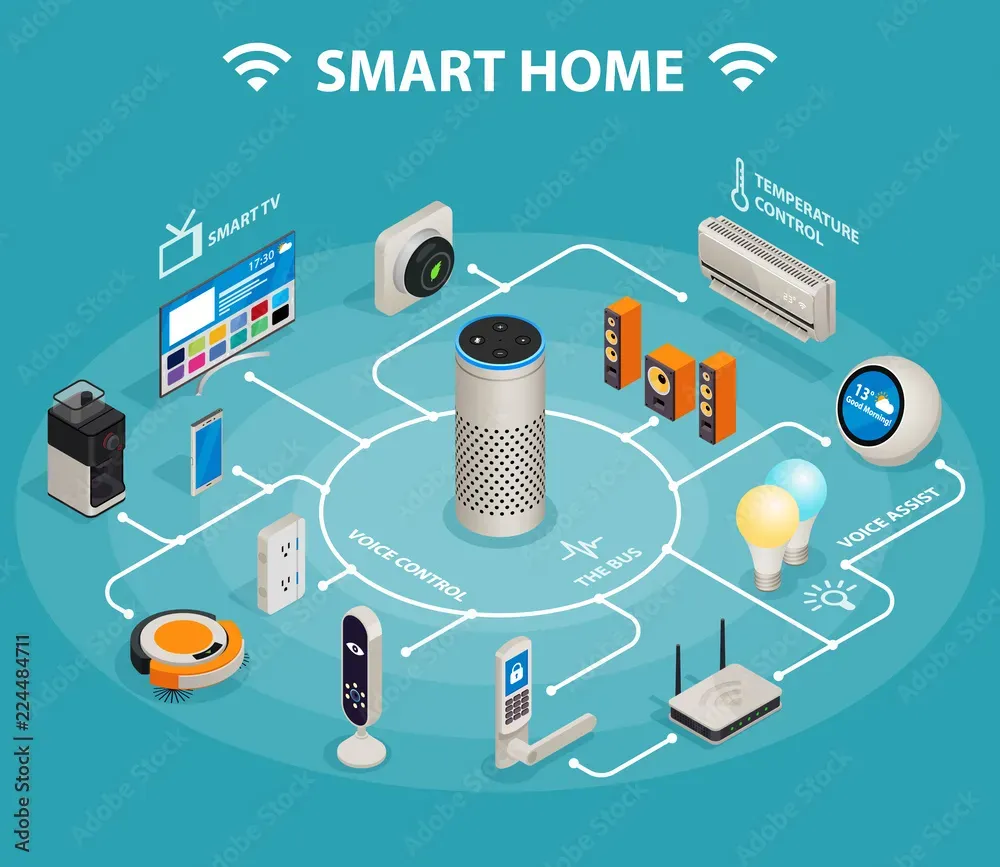
Smart Homes and the Internet of Things have moved from futuristic concepts to everyday realities. As homes embrace greater convenience, the practice of home automation blends comfort with energy efficiency and cost savings. A growing range of connected devices—thermostats, lights, and sensors—talk to one another and to you, enabling seamless automation. Yet success depends on thoughtful security and privacy measures that protect devices, data, and everyday routines. Understanding core technologies and trade-offs helps you design a system that is useful, scalable, and secure from the start.
Beyond the familiar term, the concept is often described as connected home technology, smart home ecosystems, or intelligent automation. A network of IoT-enabled devices, sensors, and actuators coordinates climate, lighting, and security to create a more responsive living space. Interoperable platforms and shared data underpin remote monitoring and automation, enabling cross-brand coordination across different devices. Framing the idea this way emphasizes privacy, security, and user control as foundational considerations in any deployment.
Smart Homes and the Internet of Things: A Practical Overview
Smart Homes and the Internet of Things have transformed from a niche concept into a practical everyday framework. At its core, a connected home uses IoT devices and smart devices to enable coordinated actions, data sharing, and remote control, all built on a foundation of home automation.
In practice, you’ll see automations that adjust lights, climate, or security systems based on time, occupancy, and user preferences, with energy efficiency benefits as a natural outcome. As you explore devices, consider how different IoT platforms will work together through a unified home automation strategy.
Key Technologies Driving Home Automation and IoT Security
The backbone consists of Wi-Fi, Zigbee/Z-Wave, Bluetooth, and mesh networking, all coordinating through hubs or gateways. Understanding standards such as Matter helps you navigate interoperability across IoT devices and smart devices.
Edge computing vs cloud processing affects privacy and latency. For a resilient smart home, design a setup that balances local processing for sensitive tasks with cloud analytics for advanced automation while protecting IoT security.
Choosing Devices: IoT Devices, Smart Devices, and Interoperability
When choosing devices, you’ll encounter IoT devices, smart devices, sensors, cameras, and actuators. A central hub can unify an ecosystem and bridge multiple standards, supporting energy efficiency through efficient scheduling.
Plan for compatibility, scalability, and a clear interface. Prioritize devices that align with your home automation goals and offer robust security updates, easy app control, and reliable integration with other ecosystems.
Security and Privacy Best Practices for a Modern Smart Home
Security and privacy are foundational. Change default credentials, enable automatic updates, and implement network segmentation to limit risk from compromised IoT devices.
Adopt least privilege access, two-factor authentication, and privacy-conscious configurations. Prefer devices that offer local processing and transparent data-sharing controls to protect your family’s information.
Designing for Energy Efficiency with Smart Devices
Energy efficiency is a central benefit of smart homes. By using occupancy sensing, smart thermostats, and automated lighting, you can reduce energy waste while keeping comfort high.
Track energy usage with dashboards and analytics, and choose devices designed for low power consumption. Smart devices and IoT devices that support efficient power management help maximize savings without sacrificing performance.
Planning, Implementation, and Future-Proofing Your Smart Home
Planning a smart home starts with defining priorities, mapping spaces, and selecting a platform strategy that fits your budget and maintenance tolerance.
Follow a practical roadmap: start small, ensure future compatibility with open standards like Matter, and design for security-by-design and privacy. With ongoing updates and iterative improvements, your system stays adaptable to new devices and use cases.
Frequently Asked Questions
What are Smart Homes and the Internet of Things, and how do IoT devices enable home automation?
Smart Homes and the Internet of Things describe a network of connected devices—IoT devices and smart devices—that share data and can be controlled remotely via apps or hubs. This enables home automation: you can schedule lights, climate, and security scenes, and have routines run automatically. For best results, choose interoperable devices that support common standards like Matter and emphasize security and privacy.
How can I improve IoT security in a Smart Home and the Internet of Things setup?
Prioritize IoT security by changing default credentials, enabling automatic updates, and segmenting networks so smart devices stay separate from personal devices. Use strong access controls, enable two-factor authentication where available, and review privacy settings to limit data sharing. Regularly monitor security advisories to patch vulnerabilities quickly.
Which devices qualify as IoT devices or smart devices in a Smart Homes and the Internet of Things system?
IoT devices are internet-connected sensors, cameras, thermostats, locks, and appliances that exchange data over your home network. Smart devices are the consumer-friendly subset designed for easy control and reliable integration with home assistants. A hub or gateway often coordinates multiple devices to create coherent automation.
How does energy efficiency factor into Smart Homes and the Internet of Things?
Energy efficiency in Smart Homes and the Internet of Things comes from sensors, occupancy data, and automation that optimize heating, cooling, and lighting. By scheduling devices and using analytics, you can reduce energy waste and lower utility bills while maintaining comfort.
How do interoperability standards like Matter affect IoT devices and home automation in Smart Homes and the Internet of Things?
Standards like Matter promote cross-brand compatibility, making IoT devices work together in a seamless home automation system. Look for backward compatibility and clear security practices to avoid orphaned devices and ensure easy setup across different ecosystems.
What planning steps should I take to start with energy-efficient smart devices in a Smart Homes and the Internet of Things setup?
Start by defining priorities—energy efficiency, security, and convenience—and map your space for device placement. Choose a platform that supports multiple devices and plan a phased rollout, beginning with energy-saving targets like smart lighting and climate control. Implement security-by-design and privacy considerations from day one to protect your investment.
| Topic | Key Points |
|---|---|
| What are Smart Homes and IoT? | A network of connected devices that communicate with each other and with you, enabling data exchange, remote monitoring, and automation across brands and platforms (thermostats, lighting, cameras, appliances, safety systems). |
| Why it matters for everyday life? | Enables practical benefits like remote lighting control, HVAC scheduling, and alerting; offers energy efficiency, comfort, and security while introducing privacy, security, interoperability, and complexity challenges. |
| Core technologies behind Smart Homes and IoT | Wi‑Fi as the backbone; other standards (Bluetooth, Zigbee, Z‑Wave); hubs/gateways; mesh networks; edge vs cloud processing; sensing, automation, and control. |
| Edge vs cloud processing | Some tasks run locally (edge) for privacy and lower latency; others use cloud services for advanced analytics, remote access, or backups. |
| Choosing Devices: IoT vs Smart vs Hubs | IoT devices cover a broad set of connected sensors/appliances; Smart devices are user-friendly and integrated with home assistants; hubs coordinate devices and bridge standards; interfaces (voice, apps) are primary interaction methods. |
| Security, Privacy, and Best Practices | Change default credentials, enable updates, use network segmentation, enforce least privilege, configure privacy settings, favor local processing when possible, and prioritize security over sheer device count. |
| Interoperability and Standards | Standards like Matter aim to unify cross-brand compatibility; prioritize backward compatibility, Matter support, and clear security/privacy practices. |
| Planning and Implementing Your Smart Home | Define priorities, map space and networks, choose a platform strategy, start small, implement security-by-design, and plan for privacy. |
| Bottom Line | A well-planned Smart Homes and the Internet of Things setup can deliver energy savings, safety, comfort, and accessibility while emphasizing interoperability, strong security, and privacy protections. |
Summary
Smart Homes and the Internet of Things are transforming living spaces by turning ordinary rooms into connected environments that enhance energy efficiency, safety, and comfort. This descriptive overview highlights how core technologies, device choices, security practices, and interoperability standards come together to enable reliable automation. By planning with privacy and security at the forefront, homeowners can design scalable, future-ready systems that adapt as needs evolve while preserving personal data and control.

