
You have mastered the art of pressing dtf transfers onto garments. Your prints are vibrant, your turnaround is tight, and your customers love the results. But then the orders start piling up, and you realize that the real challenge isn't the printing itself. It's everything that happens after the press cools down. Fulfillment, the process of getting the finished product from your shop to your customer's hands, can make or break your reputation. A perfect print ruined by sloppy packaging or a missed shipping deadline is a customer lost. In this guide, we'll walk through the entire fulfillment workflow for DTF transfers, from the moment an order lands in your inbox to the moment your customer opens the box. We'll cover quality control, packaging strategies, shipping logistics, and the communication that turns a one-time buyer into a loyal fan.
The Fulfillment Workflow: An Overview
Before we dive into the details, let's map out the journey of a typical DTF order. It starts with order intake, where you confirm the design, size, and quantity. Then comes production, where you print and press the transfer. After that, quality control ensures the print meets your standards. Next, packaging protects the garment and presents it well. Finally, shipping and delivery get it to the customer, followed by post-delivery follow-up. Each step is a chance to delight or disappoint. Let's break them down.
Order Intake: Setting Clear Expectations
The fulfillment process actually begins the moment a customer places an order. How you handle that initial interaction sets the tone. Make sure your order form captures all necessary details: design file, garment type, size, color, and quantity. If you're using a gangsheet builder for dtf transfers, confirm that the layout is correct and that the customer understands the turnaround time. A quick confirmation email with a summary of the order and an estimated ship date can prevent misunderstandings later. It's also helpful to include care instructions and a note about what to expect in terms of print feel and durability. This small step reduces the likelihood of returns and builds trust.
Production: Consistency Is Key
Production is where your expertise shines, but consistency is what keeps customers coming back. Standardize your DTF printing process: use the same powder, the same curing parameters, and the same press settings for each job. Keep a log of your settings so you can replicate results. If you're printing on different fabric types, test the transfers beforehand to ensure they adhere properly and withstand washing. Remember that dtf transfers can be applied to a wide range of materials, but each requires slightly different handling. Document these nuances and train your team accordingly. Consistency in production leads to fewer rejects and happier customers.
Quality Control: Catching Issues Before They Ship
Quality control is the safety net of your fulfillment process. It's cheaper to catch a defect before shipping than to deal with a return. Implement a simple checklist for every order: check for color accuracy, print clarity, proper adhesion, and overall garment quality. Look for common issues like incomplete transfers, wrinkles, or misalignment. A quick visual inspection under good lighting can catch most problems. For larger orders, consider spot-checking a percentage of the items. If you find a defect, fix it immediately or reprint if necessary. Never ship a product you wouldn't be proud to receive yourself.
Common Defects and How to Prevent Them
Even with the best equipment, defects can happen. Here are a few common ones and how to avoid them:
- Incomplete transfer: Usually caused by insufficient pressure or temperature during pressing. Calibrate your heat press regularly.
- Color fading after wash: Often due to under-curing of the DTF powder. Ensure your curing oven or heat press reaches the correct temperature and time.
- Peeling edges: Can result from pressing on a cold surface or not using enough pressure. Pre-press the garment to remove moisture and ensure even pressure.
- Misalignment: Double-check placement before pressing, especially for multi-color designs.
By addressing these issues proactively, you reduce waste and keep your margins healthy.
Packaging: The Unboxing Experience
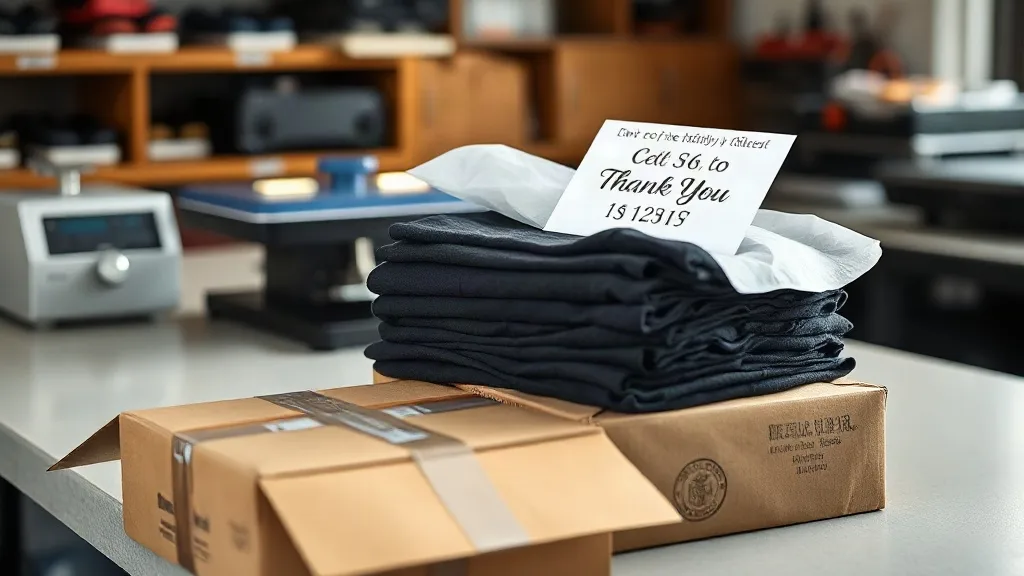
Packaging is your brand's first physical touchpoint with the customer. It's not just about protecting the product; it's about creating an experience. For DTF-printed apparel, you want to ensure the garment arrives wrinkle-free and ready to wear. Use a sturdy box or a poly mailer with a protective layer. Fold the garment neatly and consider wrapping it in tissue paper for a premium feel. Include a thank-you card or a small discount code for their next order. If you're shipping multiple items, separate them with tissue or recycled paper to prevent friction. Avoid plastic bags that can trap moisture, which may affect the print. A well-packaged order signals professionalism and care, which customers appreciate and remember.
Eco-Friendly Packaging Options
More customers are conscious of environmental impact. Consider using recycled or biodegradable packaging materials. Many suppliers now offer eco-friendly mailers and tissue paper. This not only reduces your carbon footprint but also aligns with the values of your audience. It's a small change that can enhance your brand image and attract eco-conscious buyers.
Shipping Logistics: Choosing the Right Carrier and Service
Shipping is a critical part of fulfillment. The right carrier and service level depend on your order volume, destination, and budget. For domestic orders, USPS, UPS, and FedEx are common choices. Compare rates and delivery times, and consider offering multiple options at checkout. For international orders, be aware of customs regulations and duties, and communicate these clearly to customers to avoid surprises. Use shipping software to automate label creation and tracking updates. Always provide tracking numbers and send proactive notifications about shipment status. A smooth shipping experience builds confidence and reduces customer service inquiries.
Handling International Orders
International shipping can be lucrative but comes with complexities. Ensure you understand the customs requirements of the destination country. Use a commercial invoice and declare the value accurately. Some countries have restrictions on certain materials, so check beforehand. Offer estimated delivery times and be transparent about potential delays. Consider using a fulfillment service if international volume grows, as they can handle customs and logistics more efficiently.
Customer Communication: The Glue of Fulfillment
Communication is the thread that ties the entire fulfillment process together. Keep customers informed at every stage: order confirmation, production updates, shipping notifications, and delivery confirmation. Use automated emails for standard updates, but personalize where possible. If there's a delay, inform the customer immediately and offer a solution. A simple apology and a revised timeline can turn a potential negative into a positive. After delivery, follow up with a satisfaction survey or a request for a review. This not only shows you care but also provides valuable feedback for improvement.
Turning Delivery into a Repeat Purchase
The moment a customer receives their order is the perfect opportunity to encourage repeat business. Include a thank-you card with a discount code for their next purchase. Ask them to share a photo on social media and tag your shop for a chance to be featured. If they leave a positive review, respond gratefully. If there's an issue, address it promptly and professionally. By exceeding expectations, you turn a one-time buyer into a repeat customer.
Frequently Asked Questions
How should I store DTF transfers before pressing?
Store DTF transfers in a cool, dry place away from direct sunlight. Keep them flat or rolled loosely to avoid creases. Avoid stacking heavy objects on top. Proper storage ensures the transfers remain ready to use and prevents premature degradation.
What's the best way to package DTF-printed shirts for shipping?
Fold the shirt neatly and place it in a poly mailer or box with tissue paper to protect the print. Avoid excessive folding over the printed area. Use a moisture barrier if shipping to humid climates. Include a care card to guide the customer on washing.
Can I ship DTF transfers internationally?
Yes, but you must comply with customs regulations. Declare the value accurately and check for any restrictions on textile products. Use a reliable carrier with tracking and inform customers about potential duties and taxes.
How do I handle returns or exchanges for DTF-printed items?
Have a clear return policy that outlines timeframes and conditions. Inspect returned items for print defects or wear. If the issue is due to a defect, offer a replacement or refund. If it's a sizing issue, consider offering an exchange. Communicate openly to maintain trust.
What should I do if a customer reports a print defect after washing?
Ask for photos and details about the washing process. If the defect is due to improper washing, gently remind them of the care instructions. If it's a production issue, offer a replacement or refund. Use the feedback to improve your quality control.